Stay in the know about wildlife, water quality, and ecosystems on Sanibel and Captiva Islands and in Southwest Florida
5 Reasons You Should Plant Native
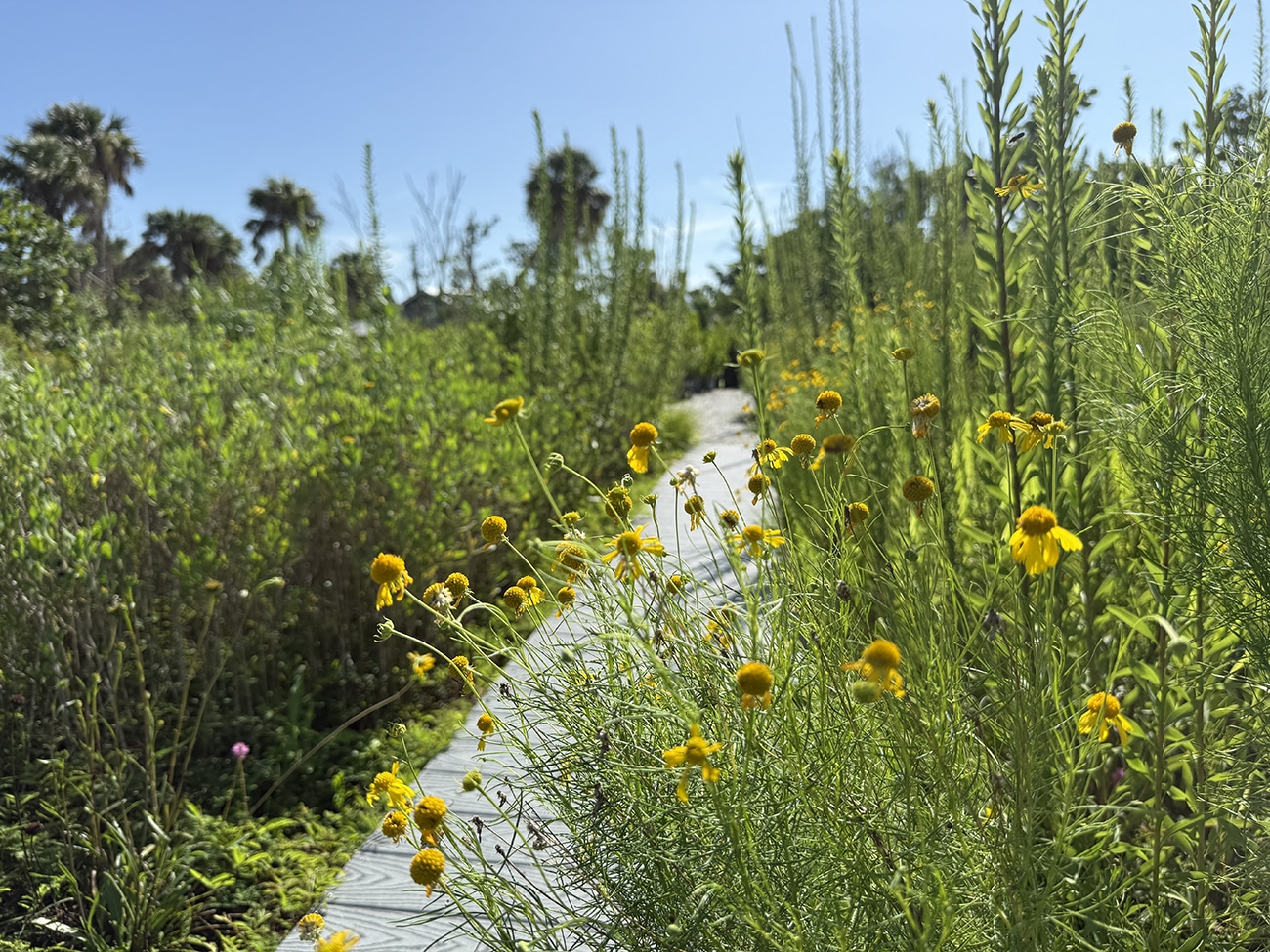
Native plants are essential for pollinators and other wildlife, help improve water quality, and provide an overall better option for your landscape or garden than nonnative plants for multiple important reasons. According to SCCF Native Landscapes & Garden Center staff, here are five main reasons you should plant native.
1: Wildlife Value
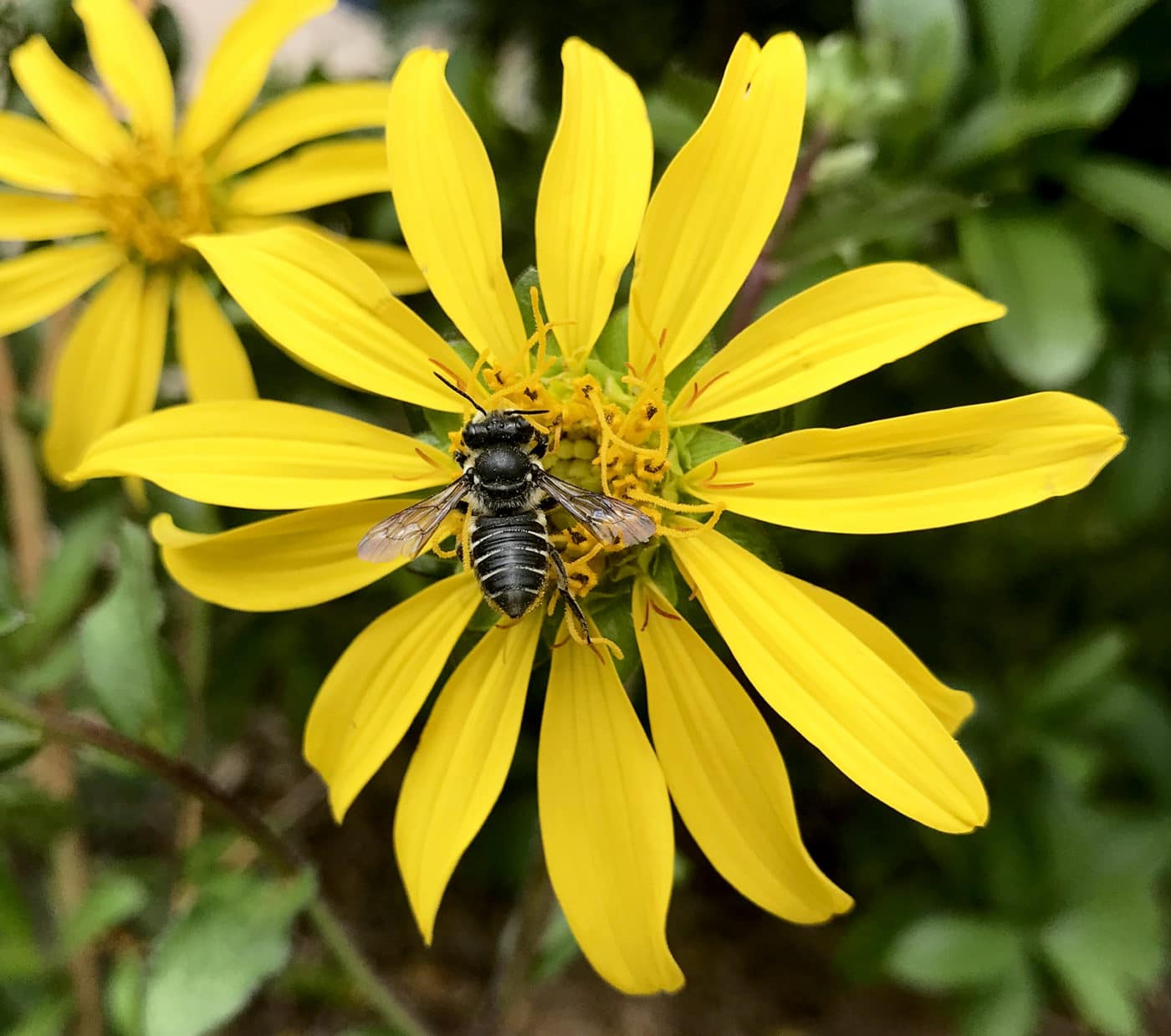
Native plants are the foundation of a healthy ecosystem, providing essential habitat and food to insects, birds, and other wildlife.
Wildlife and plants have evolved with one another, and in turn, many wildlife species depend on specific native plants for survival. For example, many butterfly and moth species will only lay their eggs on certain native plants. Without these plants, we face the threat of losing our native butterflies.
Native plants are also more likely to bloom and fruit at times that benefit wildlife species the most. This includes pollinators. The fruits and seeds produced from animal pollination feed both people and wildlife. In fact, around one-third of the world’s food supply relies on pollination (think fruits, nuts, and vegetables).
Over 85% of the world’s flowering plants rely on pollinators for their reproduction, including around two-thirds of the world’s crop species.
2: Less Maintenance, More Sustainable
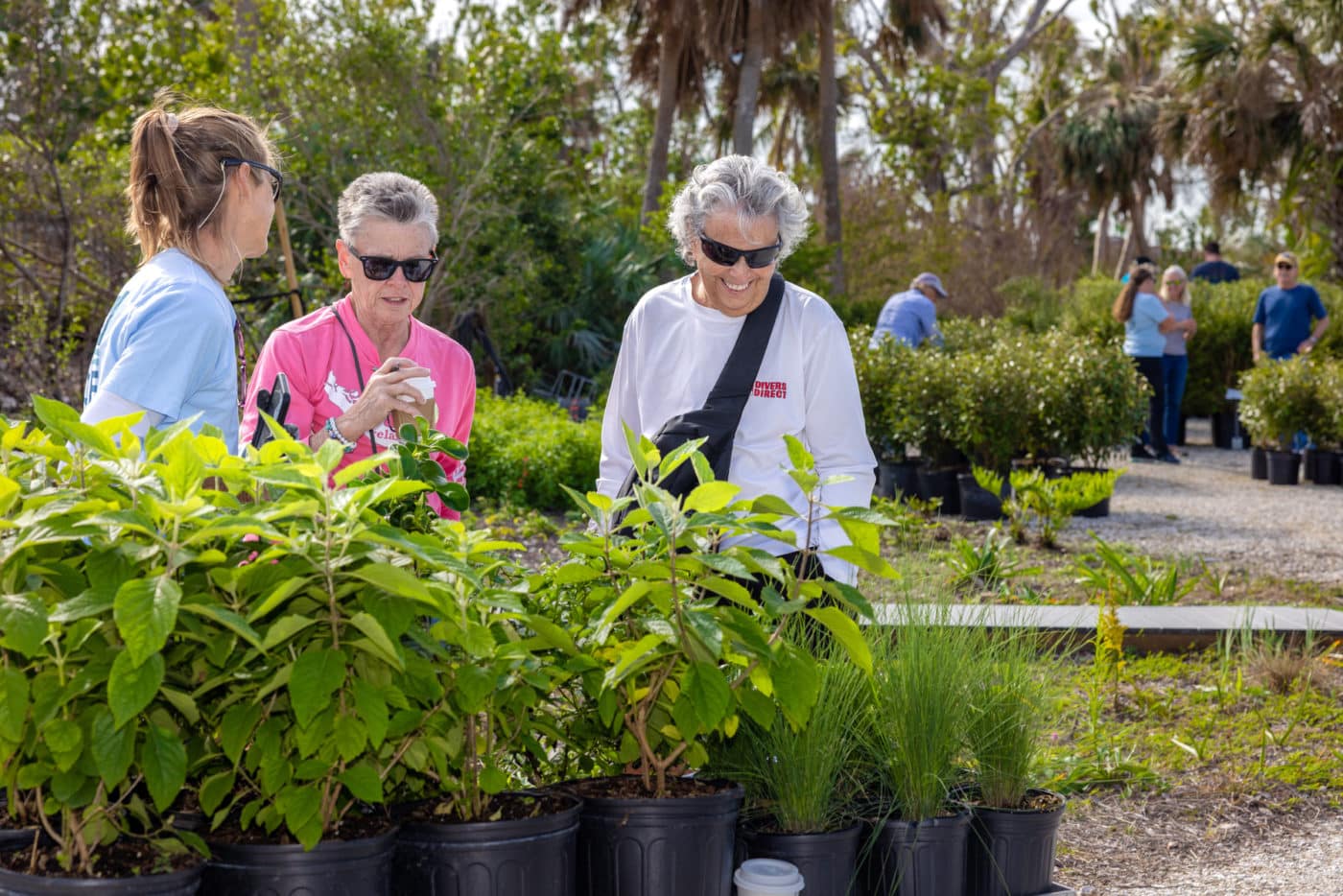
Native plants are adapted to the specific conditions of their environments, including soil type, light, rainfall and moisture level, and more. This makes them more resilient and better suited to their habitat’s conditions — meaning they require less maintenance, fertilizers, and pesticides.
Reducing and eliminating the use of pesticides and fertilizers reduces the risk of harmful chemicals and excess nutrients leaching into our soils and waterways. Excess nutrients from fertilizers (primarily phosphorus and nitrogen) in our waterways can lead to harmful algal blooms, compromising water sources and harming wildlife.
Pesticides often have unintended consequences on non-target species, including beneficial insects such as native bees and butterflies.
3: Resilience
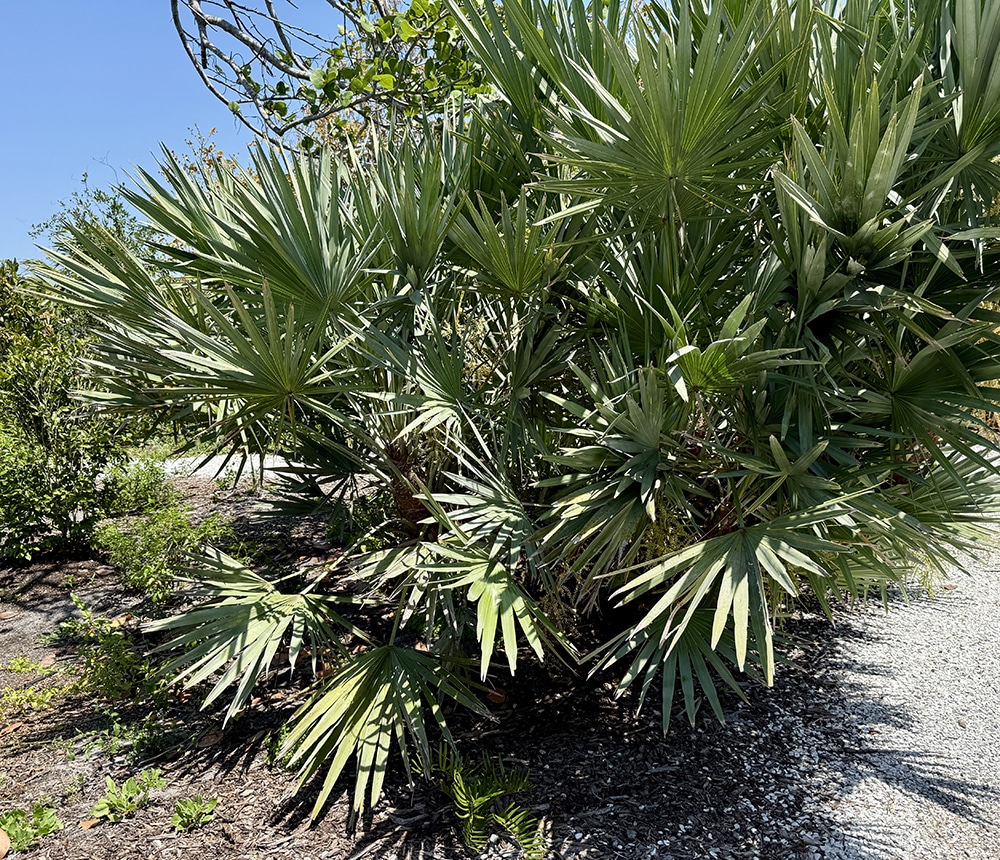
Choosing plants that are adapted to your ecoregion means choosing resilience. Because your local native plants have evolved in their specific habitats, they are much better adapted to withstand the weather patterns of your environment.
For example, many of Southwest Florida’s coastal species are adapted to survive salt spray and saltwater inundation, making them more resilient to potential hurricane events compared to nonnative or inland species.
Post-Hurricane Replanting Guide >>
4: Water Conservation
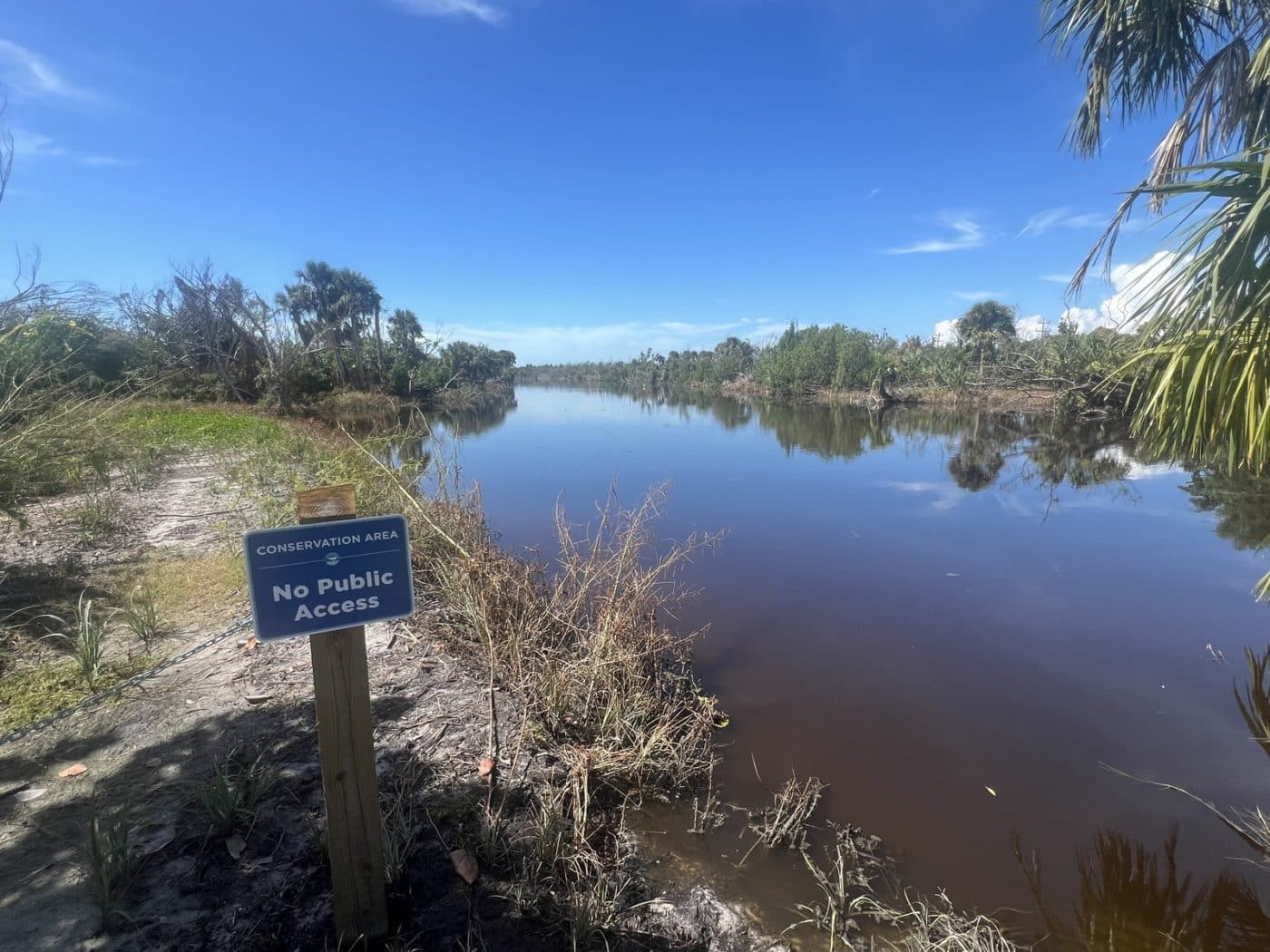
Because native plants are adapted to their environments, they require less water. Once established, native plants will require little to no supplemental water, conserving freshwater and helping homeowners save time and money.
5: Pest Prevention
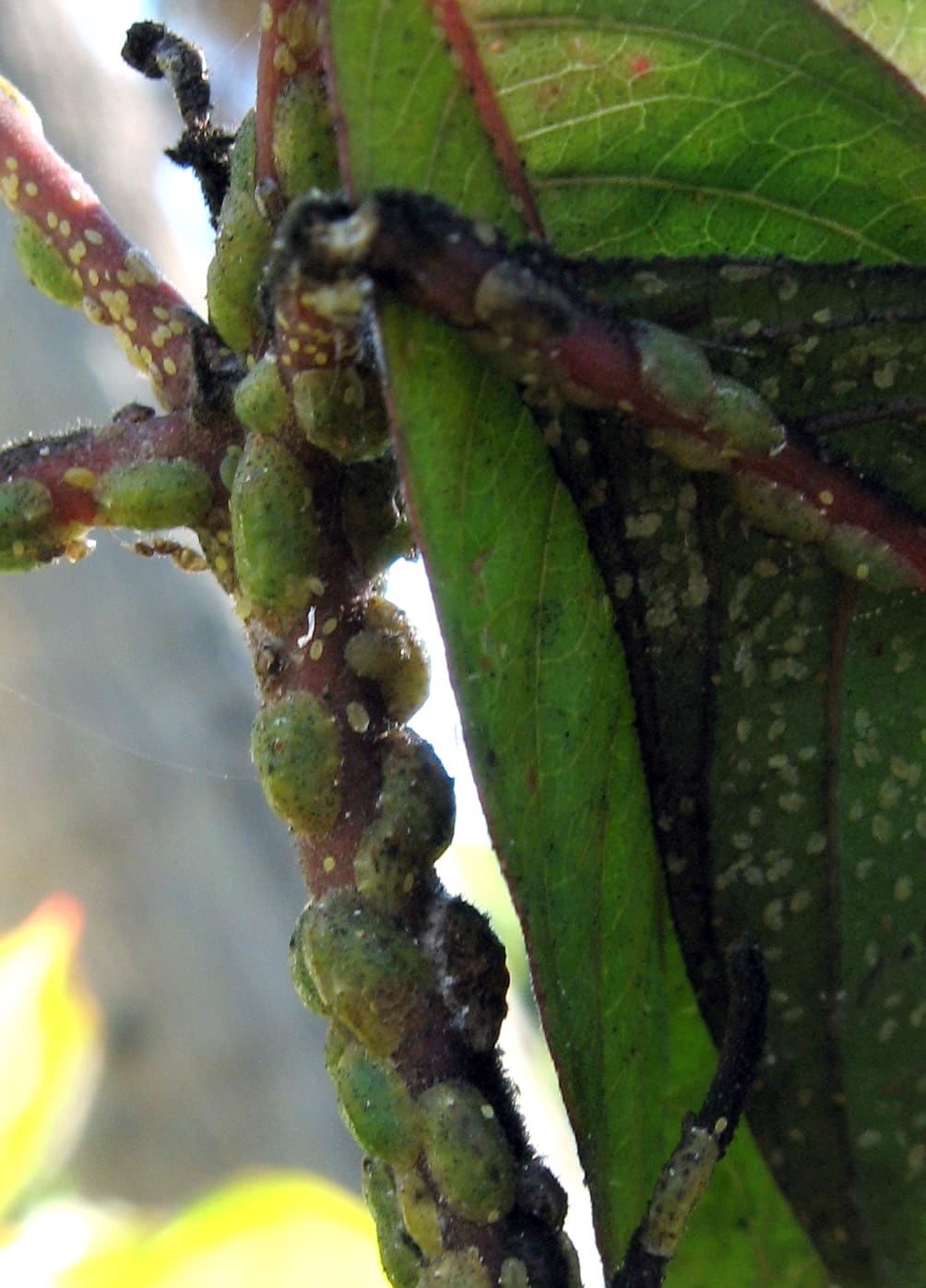
Planting native plants reduces the risk of introducing nonnative pest species that can wreak havoc on both native and nonnative plants.
Unfortunately, there have been many documented cases of nonnative pests being spread through the introduction of nonnative plant species. These pests can include nonnative insects, such as croton scale, which was introduced on nonnative croton and damages a variety of native and nonnative plants.
These pests can also include bacteria, such as lethal bronzing disease, introduced on nonnative date palms and kills native cabbage palms and other palm species.
SCCF Native Landscapes & Garden Center
Stop by SCCF’s Native Landscapes & Garden Center at 1300 Periwinkle Way, Sanibel, FL for all your native plant shopping needs. We’re open 9 a.m. to 3 p.m. Tuesday through Thursday!