Stay in the know about wildlife, water quality, and ecosystems on Sanibel and Captiva Islands and in Southwest Florida
After 9, It’s Turtle Time: Prevent Hatchling Disorientations
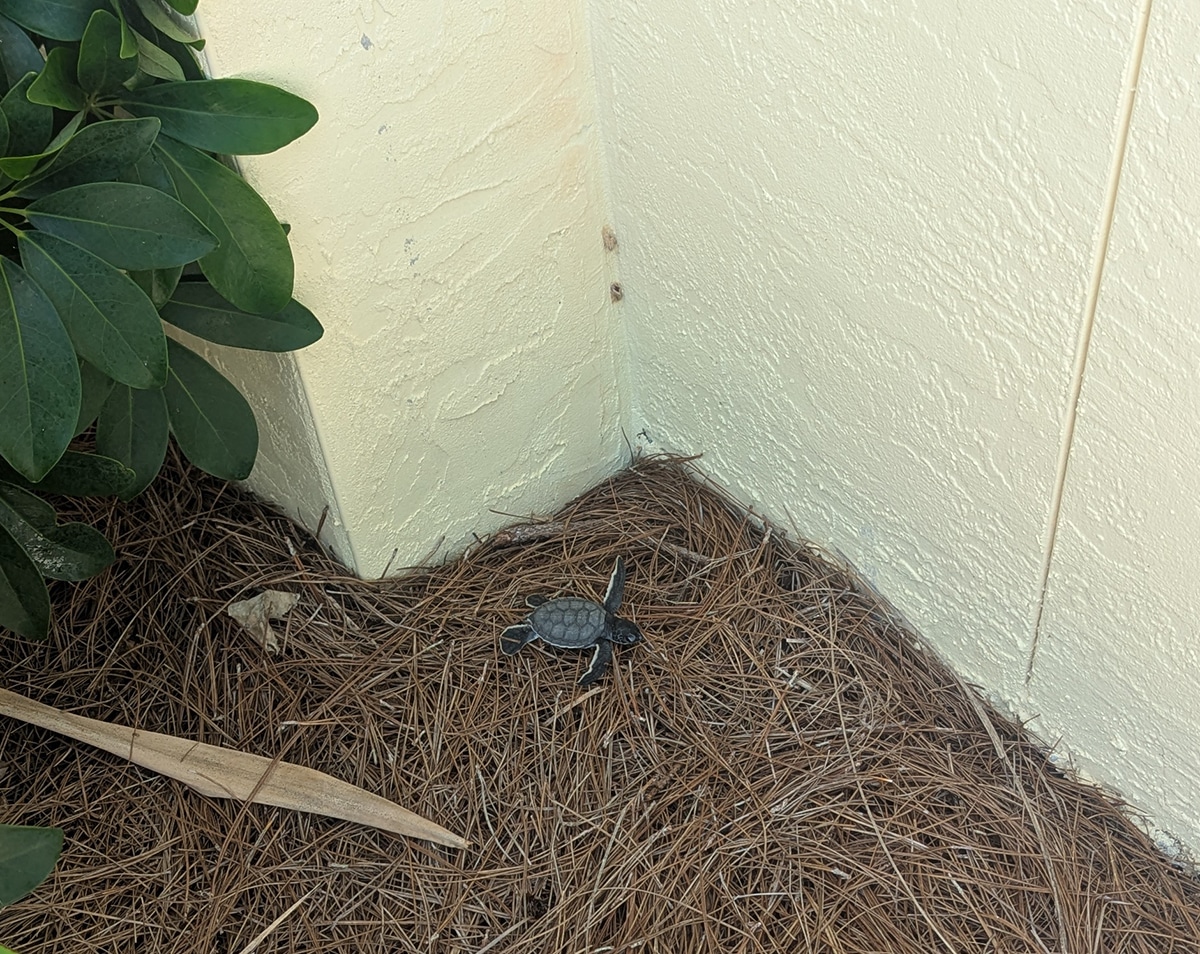
We’re only partway through hatching season on Sanibel and Captiva, and already we’re seeing a higher rate of sea turtle hatchling disorientations than in past years — almost 10% of total nests laid.
By the end of the 2024 nesting season, Sanibel and Captiva recorded a 5.9% disorientation rate (50 disoriented nests out of 843). This year, as of Aug. 19, the rate has already climbed to 9.5% (84 out of 884 nests) — two months before the season even finishes.
“We still have many more nests left to hatch, which means the percentage will only continue to rise,” said Sea Turtle Biologist Savannah Weber. “The increase from last year is likely tied to ongoing impacts from hurricanes, starting with Hurricane Ian in 2022 and worsening with Hurricanes Milton and Helene, which hit last fall. Much of the natural dune vegetation that would normally help block artificial light has been stripped and the elevation changes has exposed previously obscured lights. Additionally, Hurricane Debby in August 2024 flooded the beaches and washed out the majority of our nests before they could hatch. The true rate of disorientations last year may have been masked by the loss of so many nests.”
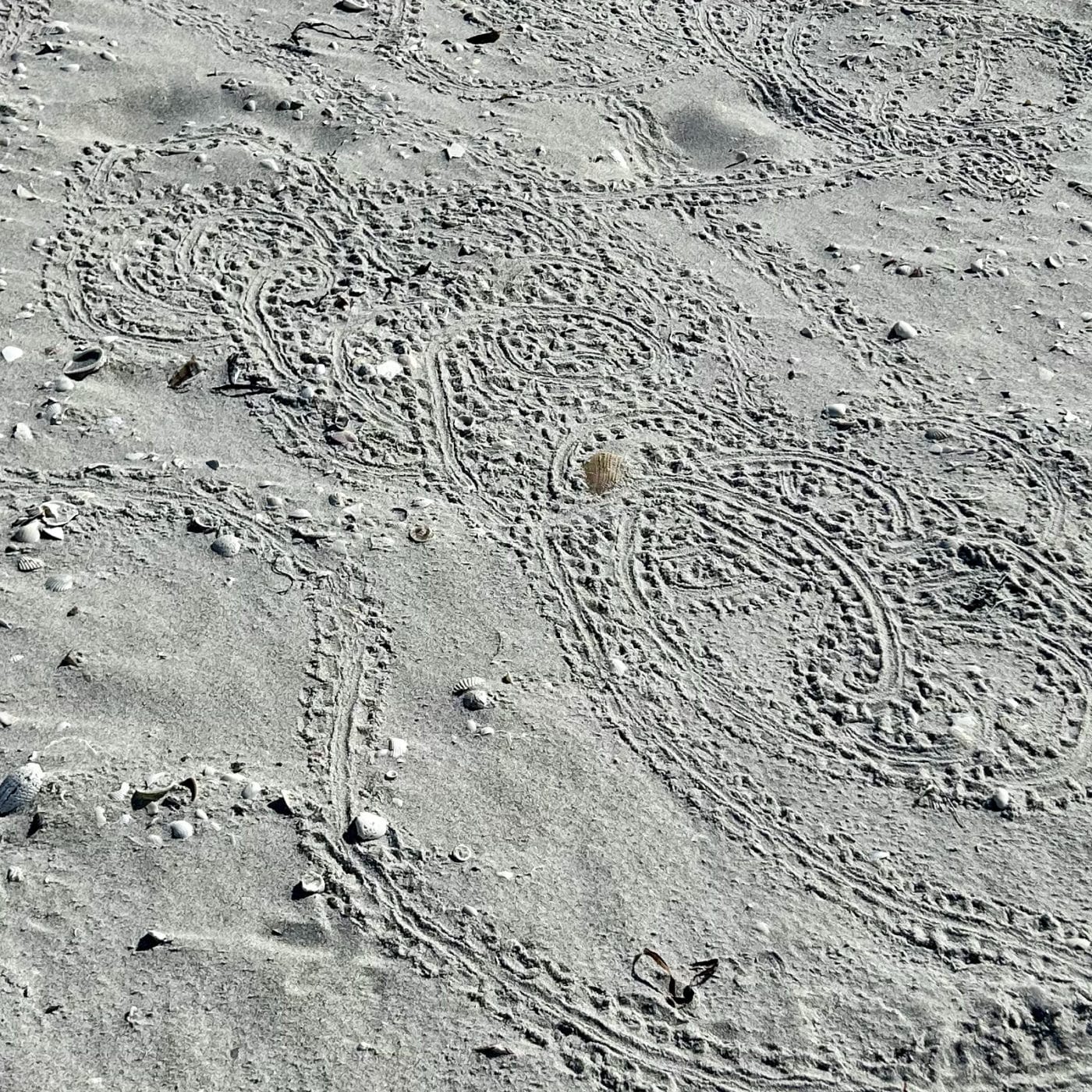
Each morning, trained SCCF staff and volunteers patrol the beaches and look for signs of hatching sea turtle nests. They carefully examine the tracks left in the sand, which reveal when hatchlings have headed into the dunes or along the shoreline instead of directly toward the ocean. These incidents occur when artificial lighting interferes with the hatchlings’ ability to find the ocean.
“Normally, hatchlings orient themselves by following the brightest and lowest horizon, which is naturally the reflection of the moon and stars over the water. But when artificial lights compete with that horizon, hatchlings can be lured the wrong way, putting them at risk of death from dehydration, heat, predators, traffic, or other hazards,” Weber said.
Artificial light sources include direct light, such as porch lights, flashlights, or visible indoor lighting from coastal properties, and indirect light, such as skyglow from inland lights.
HOW YOU CAN HELP
Exterior Lighting
Follow the Florida Fish & Wildlife Conservation Commission’s “Low, Shielded, and Long” guidelines:
- Low – Mount fixtures as low as possible and use the lowest wattage needed
- Shielded – Ensure light is fully shielded from the beach and directed downward
- Long – Use long-wavelength bulbs (560 nm or greater: amber, orange, or red)
Interior Lighting
- No interior light should be visible from the beach at night.
- Turn off unnecessary lights, move light fixtures away from windows, close curtains/blinds at night, and install window tint film or tinted glass windows to eliminate light illuminating the beach.
- Both Lee County and the City of Sanibel require tinted windows to have at least 45% window tint.
- Homes closer to the shoreline or with bright lights near windows may need darker tint (such as 15% transmittance) to effectively eliminate light.
- For others, the best solution may be to close blinds or curtains at night to fully eliminate visible light.
Using the Beach
When enjoying the beach at night, the best personal lighting option to use for sea turtles is no lights at all. If lighting is absolutely necessary to see, only an approved sea turtle-friendly red flashlight or headlamp should be used. Keep in mind that not all red lights are turtle-friendly – some red-colored lights may emit a wavelength or intensity that is still disorienting to turtles.
By making small changes, coastal residents and visitors can make a big difference in giving hatchlings the best chance of survival.