
Operation and integration of a commercially available nitrate sensor in Gulf of Mexico estuarine monitoring programs
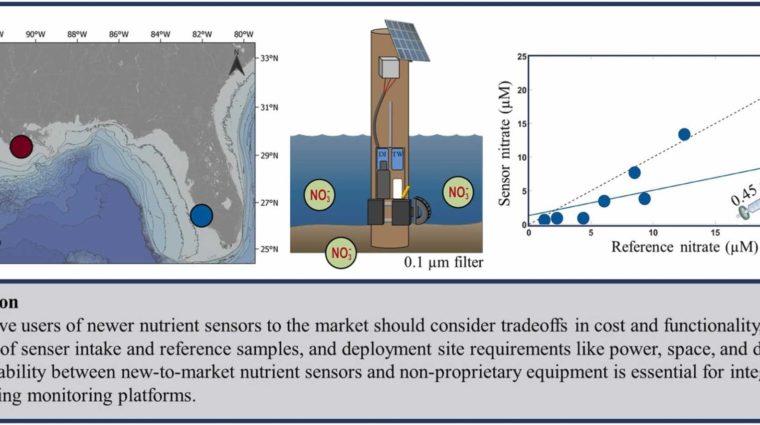
Abstract Many coastal and estuarine environments suffering from eutrophication, hypoxia, and harmful algal blooms need continuous nutrient monitoring to better understand the drivers of these events and evaluate progress towards water quality improvement targets. Many dissolved-nutrient sensors are…
Read MoreNovel observations of freshwater dinoflagellates (Dinophyta) in a flow regulated subtropical canal in Florida
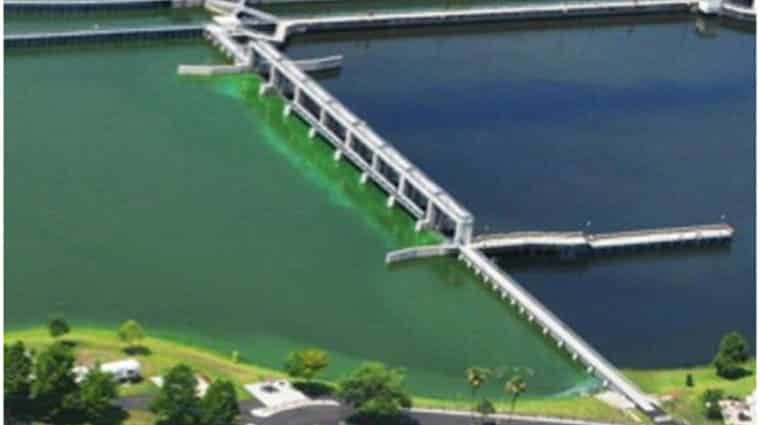
Abstract Phytoplankton composition and biomass were investigated in the C-43 Canal in southwest Florida during a period of shifting discharges from water control structures. The canal receives regulated discharges from…
Read MoreWater quality trends and eutrophication indicators in a large subtropical estuary: a case study of the greater Charlotte Harbor system in southwest Florida
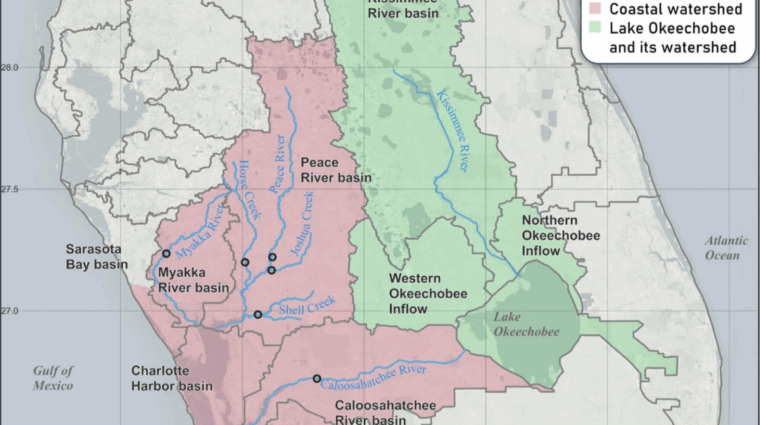
Abstract Tracking symptoms of eutrophication over time with multiple lines of evidence provides critical information to support environmental management and restoration efforts. For this case study of the Greater Charlotte…
Read MoreDay-ahead statistical forecasting of algal bloom risk to support reservoir release decisions in a highly engineered watershed
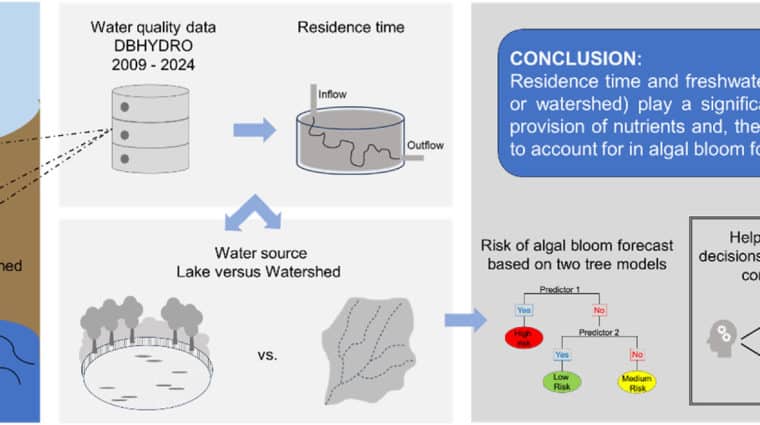
Abstract Predicting algal blooms in waterways receiving inflows from multiple sources is challenging since blooms and their drivers can originate from diverse sources. Models that mechanistically simulate the formation and…
Read More2021: Geospatial distribution of hypoxia associated with a Karenia brevis bloom
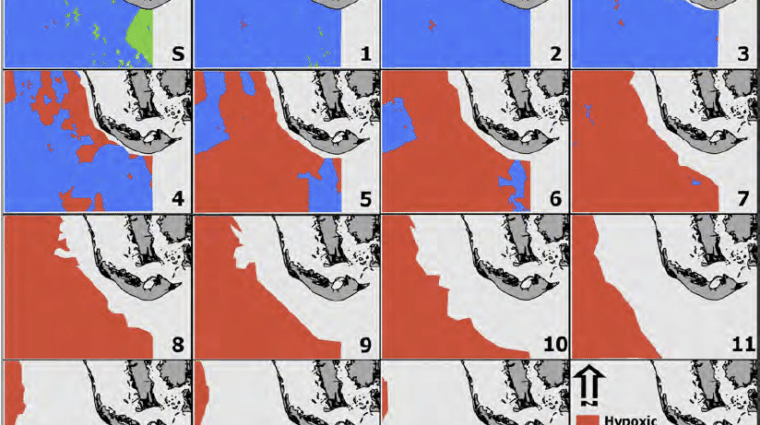
In 2018, the presence of bottom water hypoxia along the SW Florida coast was investigated during a bloom of the toxic dinoflagellate Karenia brevis. The bloom was first detected in…
Read MoreNitrogen-enriched discharges from a highly managed watershed intensify red tide (Karenia brevis) blooms in southwest Florida
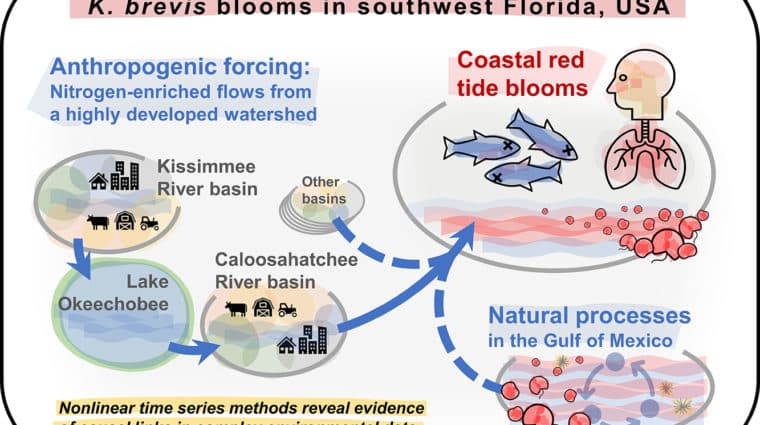
Karenia brevis blooms on Florida’s Gulf Coast severely affect regional ecosystems, coastal economies, and public health, and formulating effective management and policy strategies to address these blooms requires an advanced…
Read MoreAlgal blooms in a river-dominated estuary and nearshore region of Florida, USA: The influence of regulated discharges from water control structures on hydrology and nutrient conditions
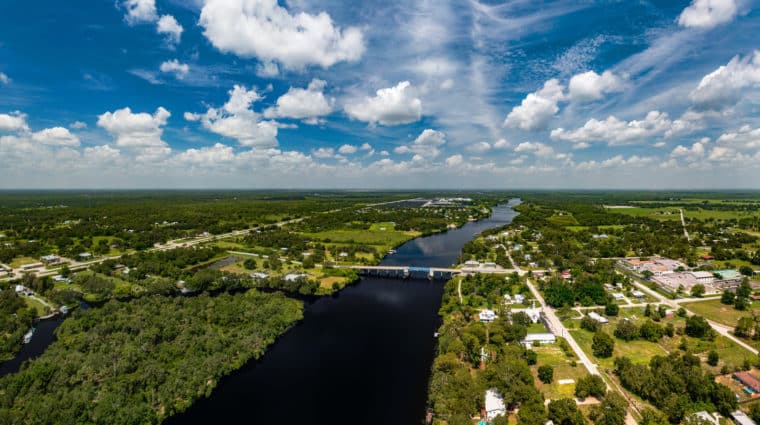
Flow-regulated discharges of water from control structures into estuaries result in hydrologic and water chemistry conditions that impact spatial and temporal variability in the structure and biomass of phytoplankton communities,…
Read MoreDownstream nutrient concentrations depend on watershed inputs more than reservoir releases in a highly engineered watershed
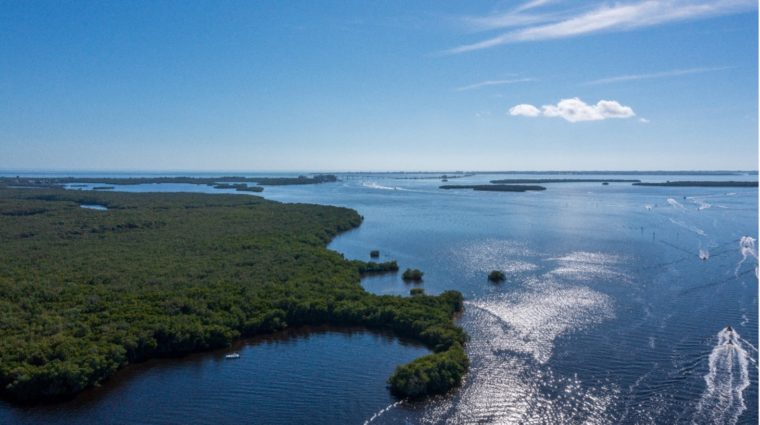
In this study, we characterized the impact of regulatory water releases relative to watershed inputs on the quality of receiving waters to identify if and how managed releases could be…
Read MoreEvidence for the production of marine fluorescence dissolved organic matter in coastal environments and a possible mechanism for formation and dispersion

Evaluation of bacteriological and nutrient concerns in nearshore waters of a barrier island in SW Florida
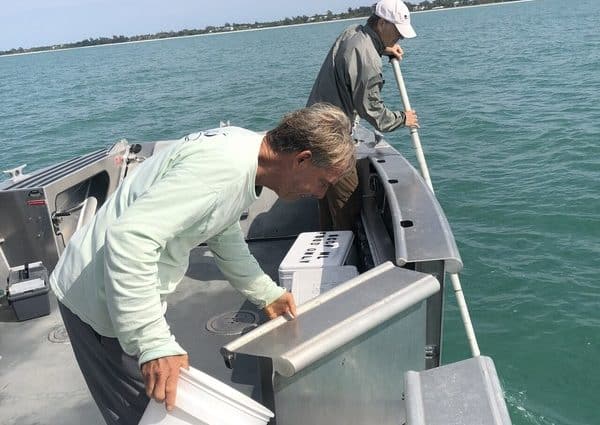
To determine if local onsite treatment systems affect nearshore water quality, seasonal and rain event monitoring of bacteria and nitrogen was conducted on the Gulf and estuary sides of Captiva…
Read More