Skip to content
Sccf Logo New
Donate
Search
Close
  • What We Do
    • Left Column
      • Protect Wildlife
        • Sea Turtle Program
        • Monitoring Shorebirds
        • Florida Box Turtle Project
        • Diamondback Terrapin Project
        • Small Mammal Monitoring
        • Gopher Tortoise Research
        • Eastern Indigo Snake Project
        • Bald Eagle Monitoring
        • Bat Monitoring & Conservation
      • Preserve the Land
        • Preserves
        • Public Trails
        • Native Landscapes & Garden Center
        • Online Plant Database
        • Prescribed Fire
      • Voluntourism with Coastal Watch
        • Mangrove Restoration
        • Oyster Restoration
        • Preserve Plantings
        • Volunteer Opportunities
        • Custom Volunteer Experiences
      • Water Quality
        • Marine Laboratory
        • RECON Sensor Array
        • Aerial Photos of Water Quality
        • Weekly Water Conditions Tracker
        • Red Tide Resources
        • Caloosahatchee Conditions Report
        • Mangrove Restoration
        • Oyster Restoration
        • Water Quality FAQ
      • Environmental Policy
        • Caloosahatchee Conditions Report
        • Take Action
        • Everglades Restoration
        • 2025 Legislative Session
        • Protect Captiva
        • Coastal Resilience
        • Podcast – Land. Water. Wildlife.
      • Education
        • Sanibel Sea School
        • Native Landscapes & Garden Center
        • Adult Education
        • Mind Your Line
        • Online Resources
        • Lake Okeechobee
        • Tips for Conscious Boating
      • Published Research
    • Right Column
      • 2

        Our mission is to protect and care for Southwest Florida’s coastal ecosystems.

  • Where We Are
    • Preserves
    • Public Trails
    • Native Landscapes & Garden Center
    • Sanibel Sea School
    • Marine Laboratory
  • About Us
    • Board & Staff
    • Financials and Board Policies
    • Locations
    • Latest News
    • SCCF In the News
    • Calendar
    • Connecting You to Nature Magazine
    • Employment & Internships
    • Contact
  • Events & Programs
    • Left Column
      • Calendar
      • Signature Events
        • Wines in the Wild
        • The Cause
        • Beer in the Bushes
        • Pine Island Sounds
        • Paul McCarthy Memorial Lecture Series
      • Sanibel Sea School
      • Coastal Watch
        • Marsh Madness
        • Voluntourism with Coastal Watch
        • Mangrove Restoration
        • Adopt-A-Mangrove Program
      • Weeds ‘n’ Seeds
      • Latest News
    • Right Column
      • Watchparty2023 2

        Unforgettable fundraising parties, environmental education and outreach, volunteering, and more.

  • Get Involved
    • Become a Member
    • Wildlife Adoption Programs
    • Coexist With Wildlife
    • Voluntourism with Coastal Watch
    • Volunteer Opportunities
    • Coastal Watch
    • Be a Community Scientist
    • Join Our Mailing List
    • Take Action

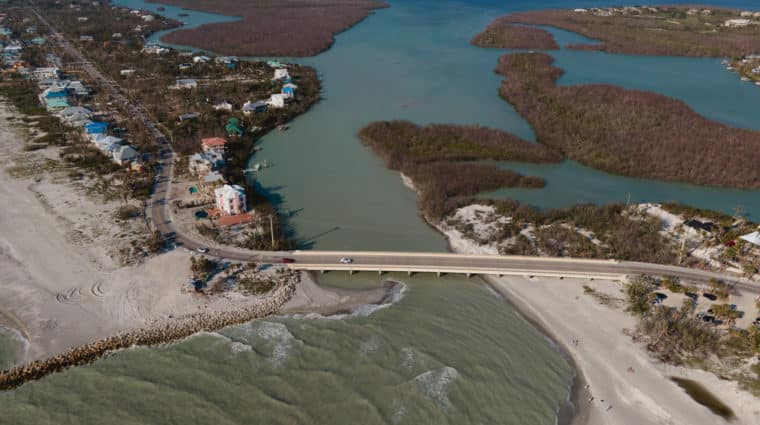
Local and regional effects of reopening a tidal inlet on estuarine water quality, seagrass habitat, and fish assemblages
May 23, 2023

Blind Pass is an inlet that separates Sanibel and Captiva Islands in southwest Florida but has historically closed and opened by both anthropogenic and natural processes. In July 2010, a…

Read More

Testing anti-fouling coatings with special emphasis on coastal observing systems
May 23, 2023

Biological fouling is the accumulation and growth of aquatic organisms on submerged surfaces. Fouling can reduce the operation time and quality of data from aquatic real-time sensors. The SCCF Marine…

Read More

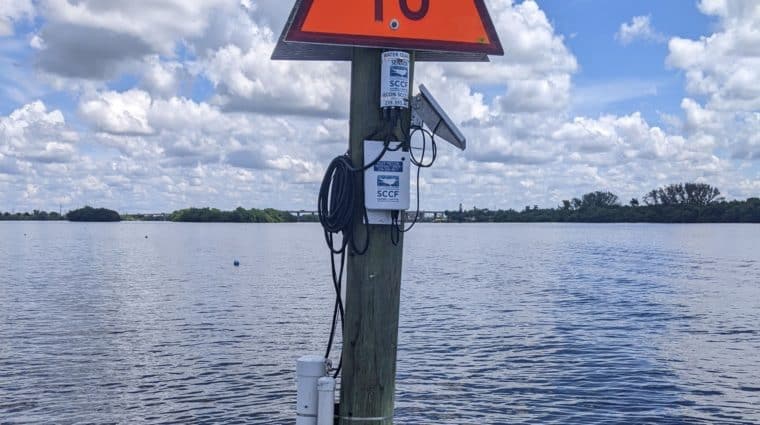
Evaluating light attenuation and low salinity in the lower estuary with RECON (River, Estuary, and Coastal Observing Network)
May 23, 2023

The southern portion of the Charlotte Harbor region, which includes Pine Island Sound, San Carlos Bay, and the lower Caloosahatchee Estuary, has over 11,700 ha of submerged aquatic vegetation (SAV).…

Read More

Hydrogen peroxide measurements in subtropical aquatic systems and their implications for cyanobacterial blooms
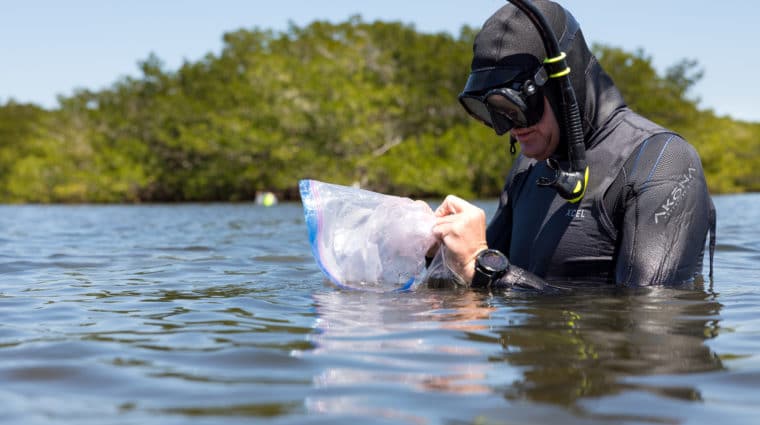
May 23, 2023

Hydrogen peroxide is widely recognized as the most stable of the reactive oxygen species (ROS) produced by both biotic and abiotic pathways in natural waters. Its high reactivity in mediating…

Read More

Harmful algae bloom monitoring via a sustainable, sail-powered mobile platform for inland and coastal monitoring
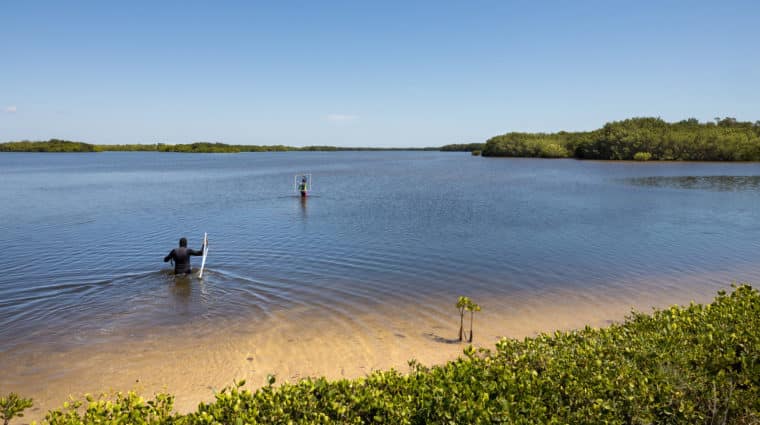
May 23, 2023

Harmful algae blooms (HABs) in coastal marine environments are increasing in number and duration, pressuring local resource managers to implement mitigation solutions to protect human and ecosystem health. However, insufficient…

Read More

Cyanobacterial blooms in the central basin of Lake Erie: potentials for cyanotoxins and environmental drivers

May 23, 2023

Lake Erie western basin (WB) cyanobacterial blooms are a yearly summer occurrence; however, blooms have also been reported in the offshore waters of the central basin (CB), and very little…

Read More
« Newer Posts
Sccf Logo New

P.O. Box 839 Sanibel, FL 33957

239-472-2329

info@oldsccf.blackbaudwp.com

Useful Links

  • Contact Us
  • Financials and Board Policies
  • Employment & Internships
  • Privacy Policy
  • Site Map
Get SCCF in Your Inbox
Sign Up for Action Alerts

Connect With Us

  • Visit our Facebook page
  • Visit our YouTube page
  • Visit our Twitter page
  • Visit our Instagram page
Four Star Rating Badge Full Color

© 2023 Sanibel-Captiva Conservation Foundation. All rights reserved | Website by Blackbaud

https://SCCF.org/wp-content/uploads/2023/02/Sanibel_Logo.png
https://SCCF.org/wp-content/uploads/2023/03/CW_logo_HORIZ_Blue.png
Scroll To Top