Stay in the know about wildlife, water quality, and ecosystems on Sanibel and Captiva Islands and in Southwest Florida
Least Terns Have Highest Success on Causeway Since 1990s
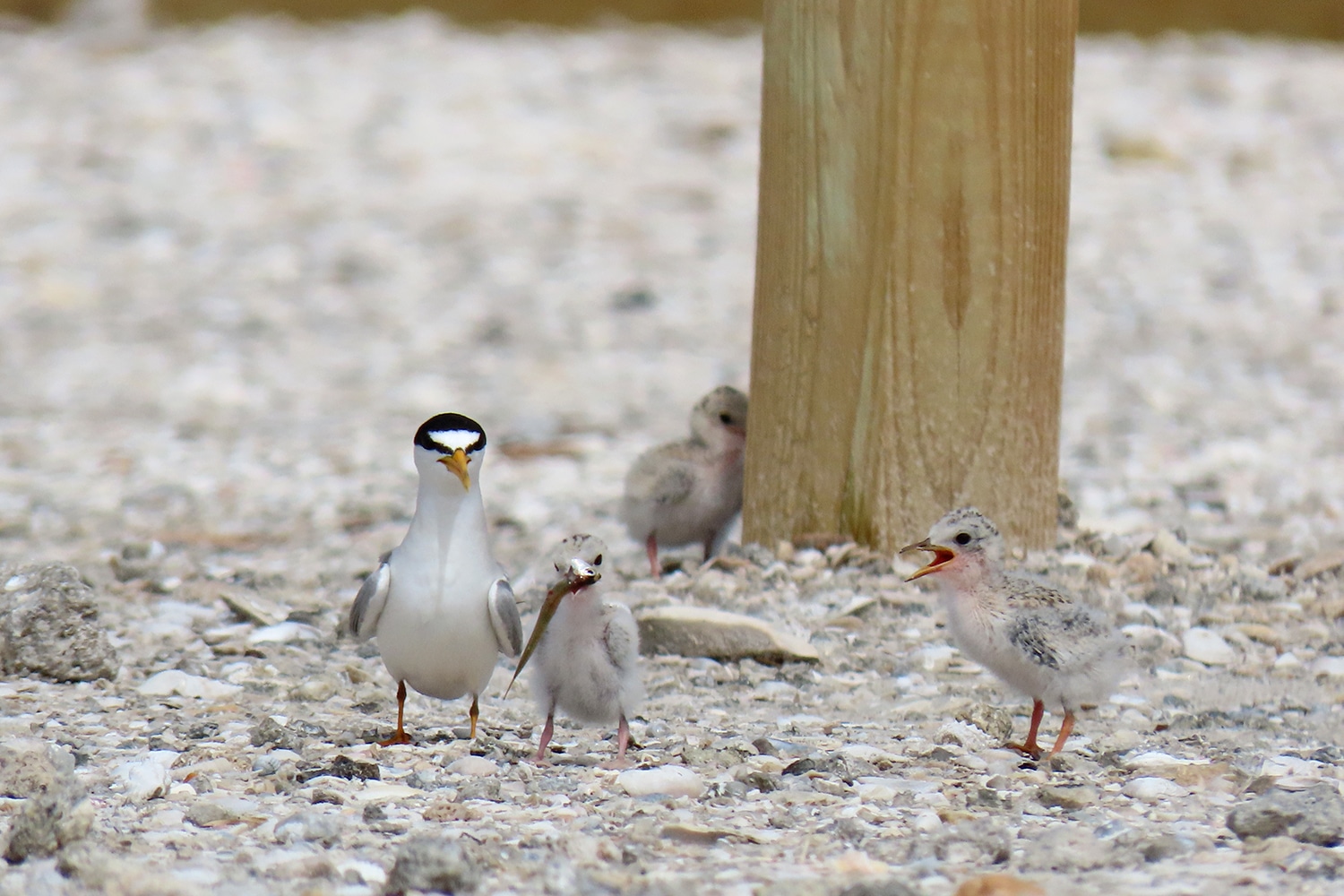
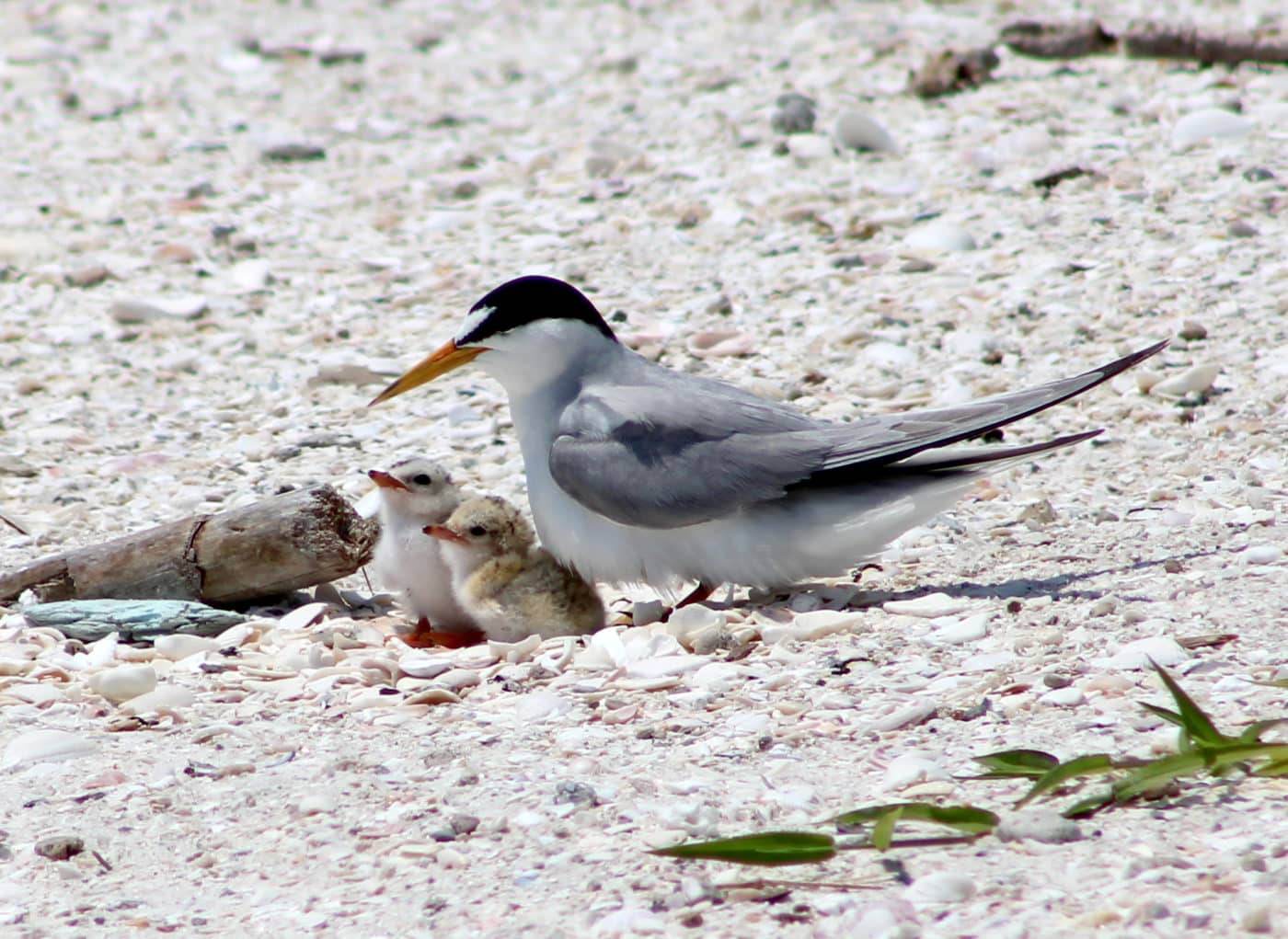
State-threatened least terns (Sternula antillarum) had a big success this year on the Sanibel Causeway Islands, producing more nests and chicks than they have in this location since at least the 1990s. Black skimmers (Rynchops niger), which also historically nested on the Causeway, returned to nest as well.
At the peak of nesting, 142 least tern nests were being incubated, with 114 chicks in the colony.
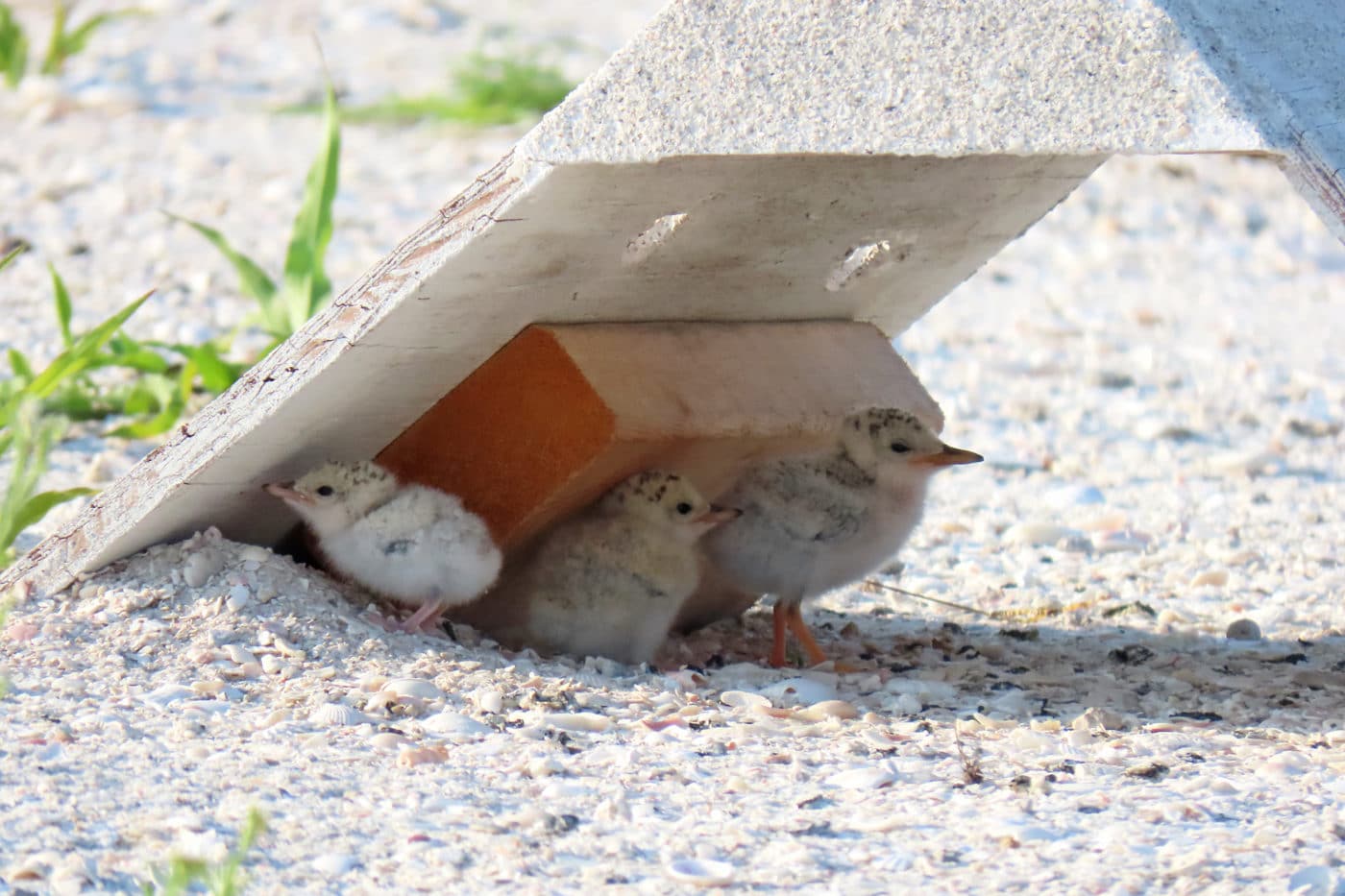
“Nesting colonies are dynamic in nature, with new nests still being laid as older chicks are fledging and leaving the colony. It is estimated that there were over 200 nests, fledging over 150 chicks,” said SCCF Shorebird Biologist Audrey Albrecht. “The earliest chicks fledged in May, and the last chick took flight on Aug. 2.”
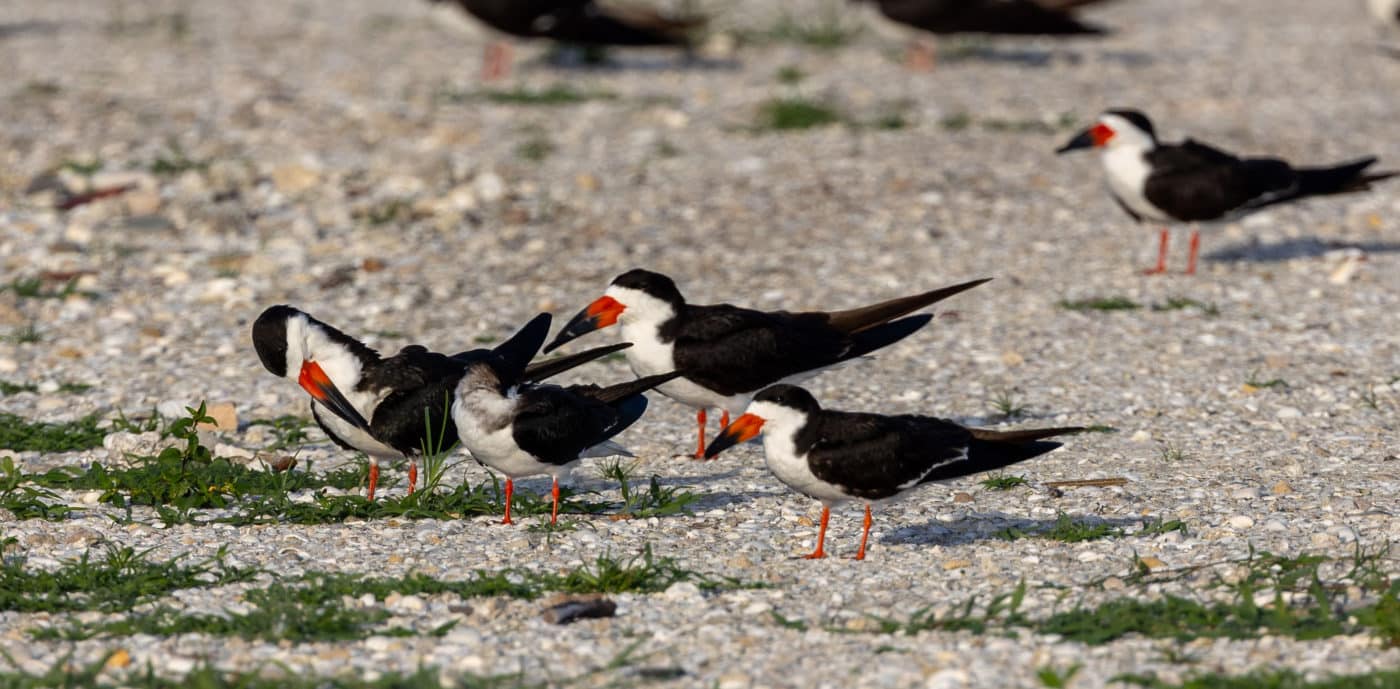
Approximately 30 black skimmers joined the least tern colony in mid-June. Although seven nests were documented, no chicks were ever confirmed.
History of Causeway Nesting
Both least terns and black skimmers regularly attempted nesting on the Causeway Islands after the Causeway was built in the 1960s. Unfortunately, vehicle traffic and summer storms left most nests unsuccessful.
“There are several newspaper articles detailing the struggles that least terns and black skimmers on the Causeway historically faced from nest washovers and car strikes,” Albrecht said. “To the best of our knowledge, 2023 was the first time least terns had tried to nest on the Causeway in at least 30 years, and 2025 is the most successful year since then.”

Least terns likely returned to the Sanibel Causeway in 2023 due to the blank canvas of open sand created by Hurricane Ian reconstruction efforts, she said.
Least terns are colonial nesters, meaning they nest in large groups as a strategy to protect eggs and deter predators. These migratory seabirds arrive to Southwest Florida in April and depart in August, and they require large, open areas to nest.
In 2024, least terns returned to the Causeway once more, and this time successfully fledged at least 30 chicks. In both 2023 and 2024, SCCF worked closely with the Florida Department of Transportation and the Florida Fish & Wildlife Conservation Commission (FWC) to protect the colony and nests while allowing essential restoration work to continue.
Birds Nest Just as Causeway Islands Reopen
This year, SCCF biologists noticed least terns exhibiting nesting behavior on the Causeway right before the Causeway Islands were set to open to the public for the first time in two and a half years.
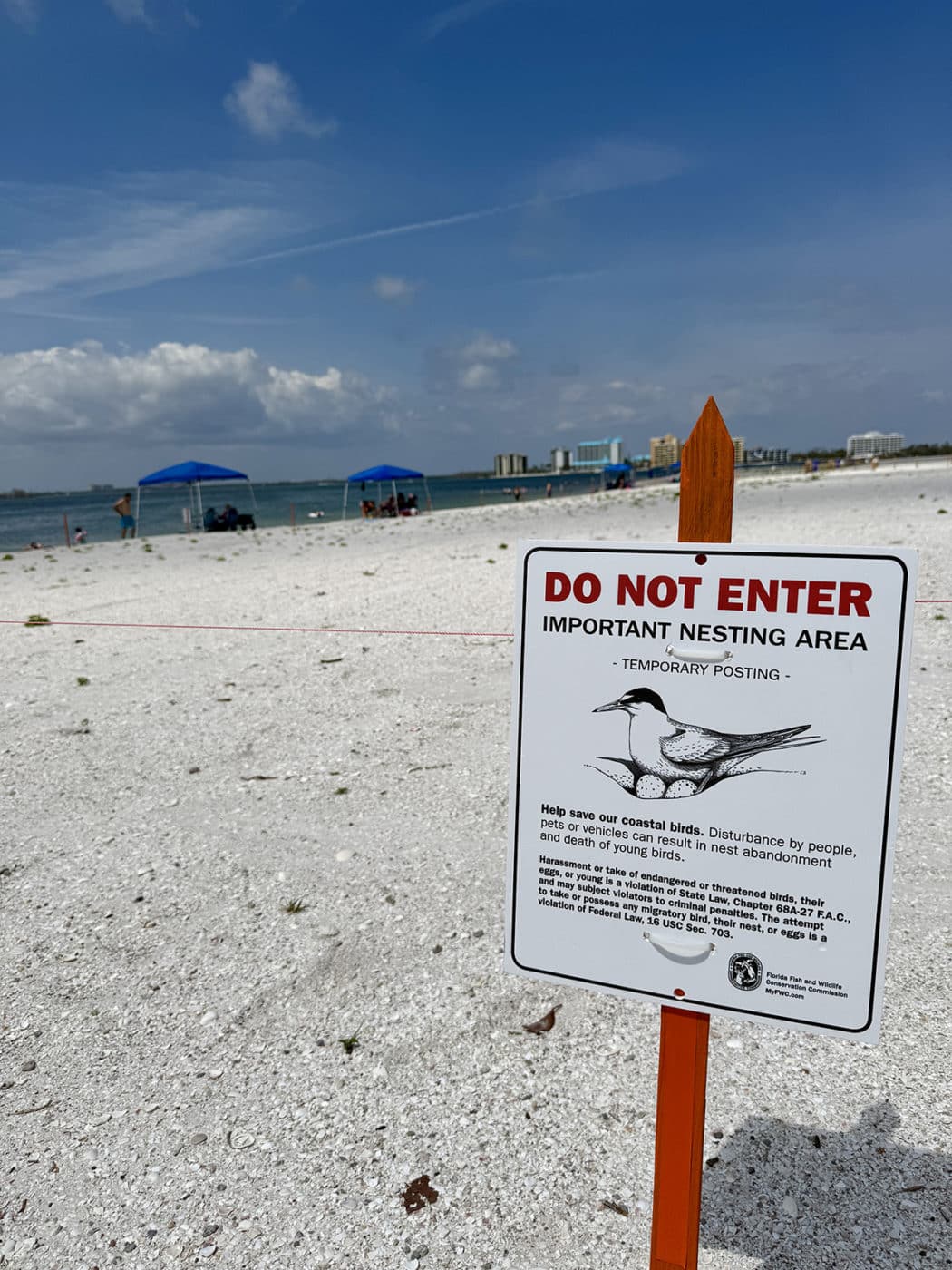
“We immediately contacted FWC and Lee County staff to notify them of the nesting and worked together to rope off the nesting area in advance of the park’s opening on May 1,” Albrecht said. “Least tern eggs are extremely well camouflaged, making it vital to protect nesting areas from pedestrian and parking traffic.”
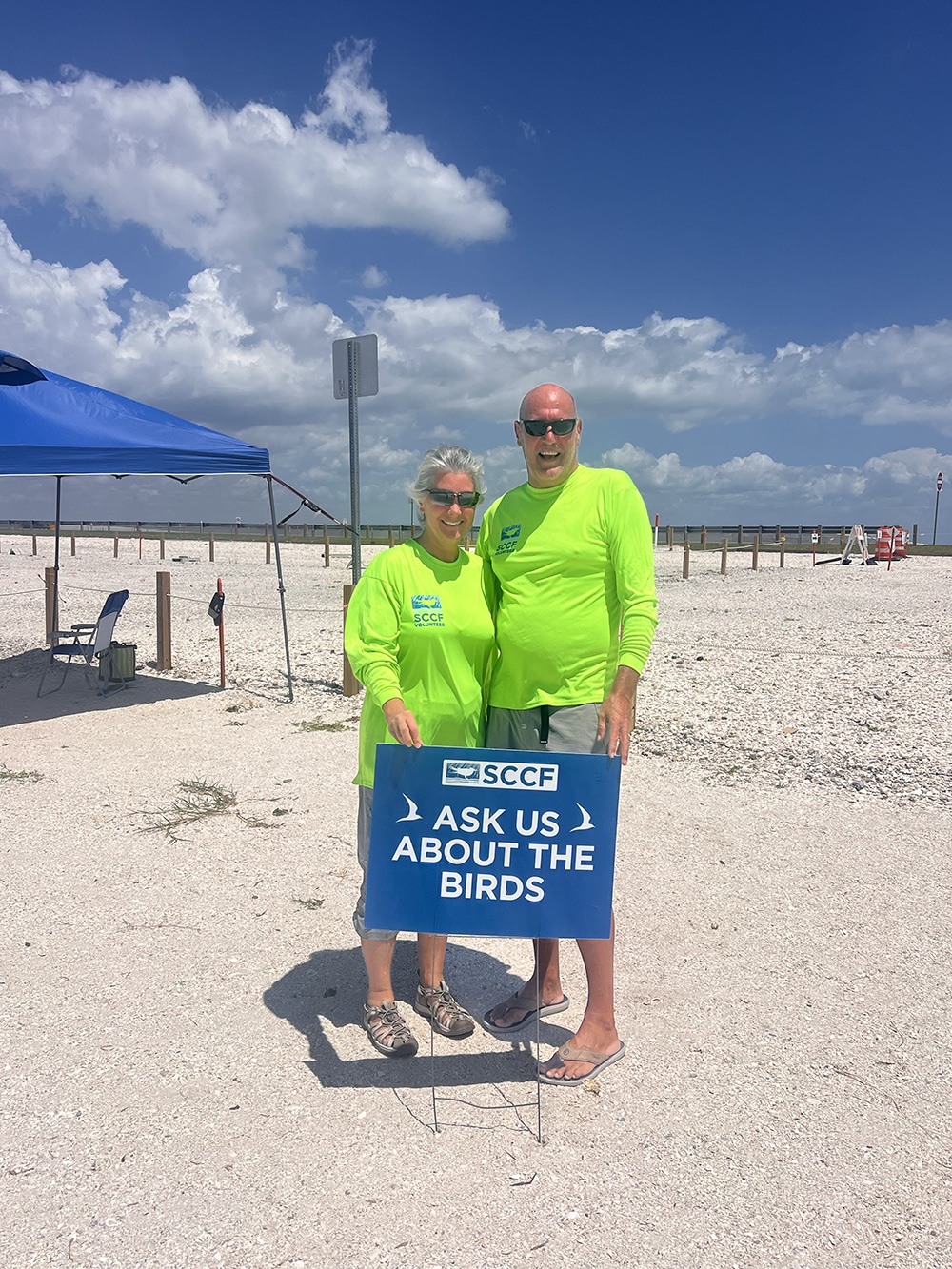
SCCF also started a volunteer shorebird steward program to station education and outreach volunteers near the colony during peak weekend beach times.
Staff and more than 30 volunteers interacted with several hundred beachgoers throughout the season, offering information about the birds and a chance to view them up close with the spotting scope.
SCCF would like to extend a huge thank you to our Trustee Kate Sergeant and On Island for providing us with volunteer shirts on short order!
“Without our partners, the support of our volunteers, and the public’s interest in protecting these tiny birds, least terns would not have experienced the success we saw this season,” Albrecht said.